

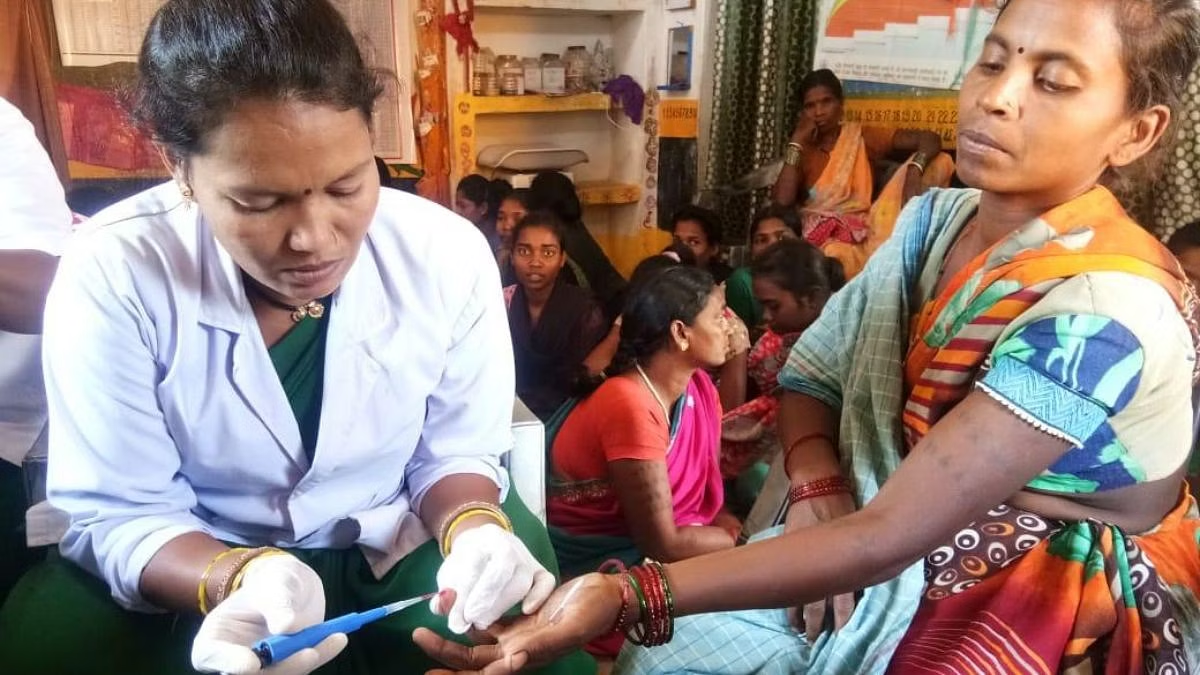
Anaemia is a major public health concern worldwide, particularly in developing countries. Recent studies have highlighted a troubling trend in India, where three out of five women are at risk of anaemia. This article will delve into the implications of this health crisis, the causes behind it, and potential solutions to mitigate its effects.
The Current Situation
According to a two-year study by Redcliffe Labs, involving health data from over one million women, the prevalence of anaemia among women in India is alarming. The report indicates that women are three times more vulnerable to anaemia than men. This trend is not isolated; it reflects broader issues associated with women’s health, including rising instances of thyroid disorders, diabetes, and other lifestyle-related diseases.
Understanding Anaemia
Anaemia is characterized by a deficiency of red blood cells or haemoglobin in the blood, leading to reduced oxygen transport throughout the body. Common symptoms include chronic fatigue, weakness, pale skin, and increased susceptibility to infections. In India, nutritional deficiencies—particularly iron deficiency—are significant contributors to anaemia. Factors such as dietary habits, socioeconomic status, and cultural norms can exacerbate the problem.
Impact on Women’s Health
The implications of anaemia on women’s health are profound. Women with low iron levels may experience:
– Chronic Fatigue: The lack of sufficient oxygen in the body leads to feelings of extreme tiredness, affecting daily activities and productivity.
– Reduced Immunity: Anaemia can weaken the immune system, increasing the risk of infections and illnesses.
– Reproductive Health Issues: Pregnant women with anaemia are at risk of complications, including low birth weight and preterm delivery.
Moreover, the prevalence of anaemia is exacerbated by the presence of other lifestyle disorders, such as thyroid disorders, arthritis, and diabetes, which are increasingly common among women.
Contributing Factors
Several factors contribute to the rising rates of anaemia among women in India:
1. Nutritional Deficiencies: Inadequate intake of iron-rich foods, combined with cultural dietary restrictions, leads to poor nutrition.
2. Socioeconomic Status: Women from lower socioeconomic backgrounds often lack access to proper healthcare, nutrition, and education on health and wellness.
3. Lack of Awareness: Many women prioritize their family’s health over their own, neglecting regular health check-ups and screenings.
4. Hormonal Factors: Pregnancy and menstruation further increase iron requirements, making women more susceptible to deficiencies.
Potential Solutions
Addressing the anaemia crisis requires a multifaceted approach:
– Nutritional Education: Increasing awareness about the importance of a balanced diet rich in iron, vitamin B12, and folic acid.
– Regular Health Screenings: Encouraging regular screenings for women to identify anaemia and other health disorders early on.
– Government Policies: Implementing public health policies that focus on maternal and child health to provide better nutrition and healthcare services.
– Community Support: Building community awareness programs to empower women with knowledge about managing their health and well-being.
-Raja Aditya


