

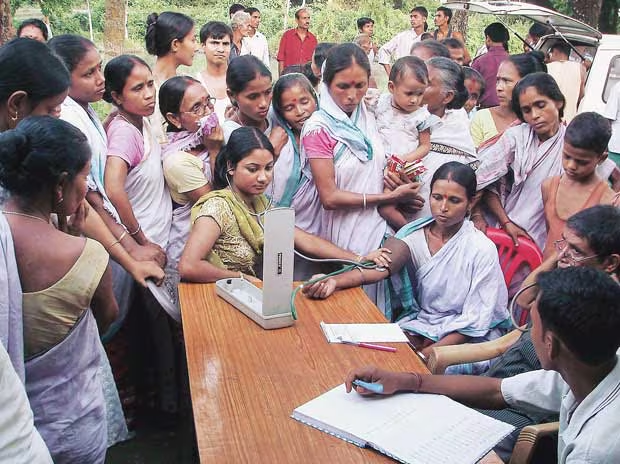
A recent report from Apollo Hospitals, titled “Health of the Nation 2025,” has unveiled a troubling trend in India: millions are living with chronic illnesses without any knowledge of their conditions. The findings, based on screenings of over 2.5 million individuals conducted over the last five years, reveal a silent epidemic characterized by high rates of undiagnosed conditions, particularly high blood pressure, diabetes, and fatty liver disease.
Key Findings of the Report
The report highlights that significant numbers of Indians are suffering from serious health issues, often without presenting any visible symptoms. Among the 2.57 lakh (257,000) individuals screened, the following alarming statistics were recorded:
– Hypertension: 26% of those screened had hypertension.
– Diabetes Rates: The incidence of diabetes in women rose dramatically from 14% before menopause to a startling 40% post-menopause.
– Fatty Liver Disease: 65% of screened individuals were diagnosed with fatty liver disease, with 85% of these cases found in individuals who had never consumed alcohol. This indicates a worrying trend driven by poor diet and inactive lifestyles.
The Underlying Causes
Dr. Prathap Reddy, Chairman of Apollo Hospitals, emphasizes the need for a shift from a symptom-driven healthcare model to one focused on preventive, data-led systems. He noted that despite growing awareness around health screenings—reflecting a 150% increase in preventive health checks at Apollo from 1 million in 2019 to 2.5 million in 2024—much more needs to be done to tackle this silent epidemic effectively.
Among children and adolescents, obesity is emerging as a critical concern, with the report indicating that 8% of primary school children and 28% of college students are overweight or obese. This raises alarms not only for immediate health but also for long-term health issues as many young people face the risk of developing chronic conditions prematurely.
Gender-Specific Risks and Health Interventions
The report also sheds light on specific health risks that women face, especially after menopause. The increase in diabetes and obesity rates post-menopause highlights the necessity for tailored healthcare interventions aimed at this demographic. Dr. Preetha Reddy, Executive Vice Chairperson of Apollo Hospitals, calls for the development of age-appropriate, gender-sensitive healthcare models as vital to improve women’s health outcomes.
The Call for Action
One critical area of concern highlighted in the report is the need for routine mental health and sleep disorder screenings. With 6% of screened individuals showing signs of depression and a staggering 25% at high risk for Obstructive Sleep Apnea, there is a clear demand for improved public awareness and proactive health assessments.
In response to the alarming prevalence of such chronic conditions, the report advocates for routine health check-ups to be integrated into school curriculums and workplace wellness programs. It emphasizes the importance of making lifestyle changes and empowering individuals with knowledge about their health.
-Raja Aditya


