

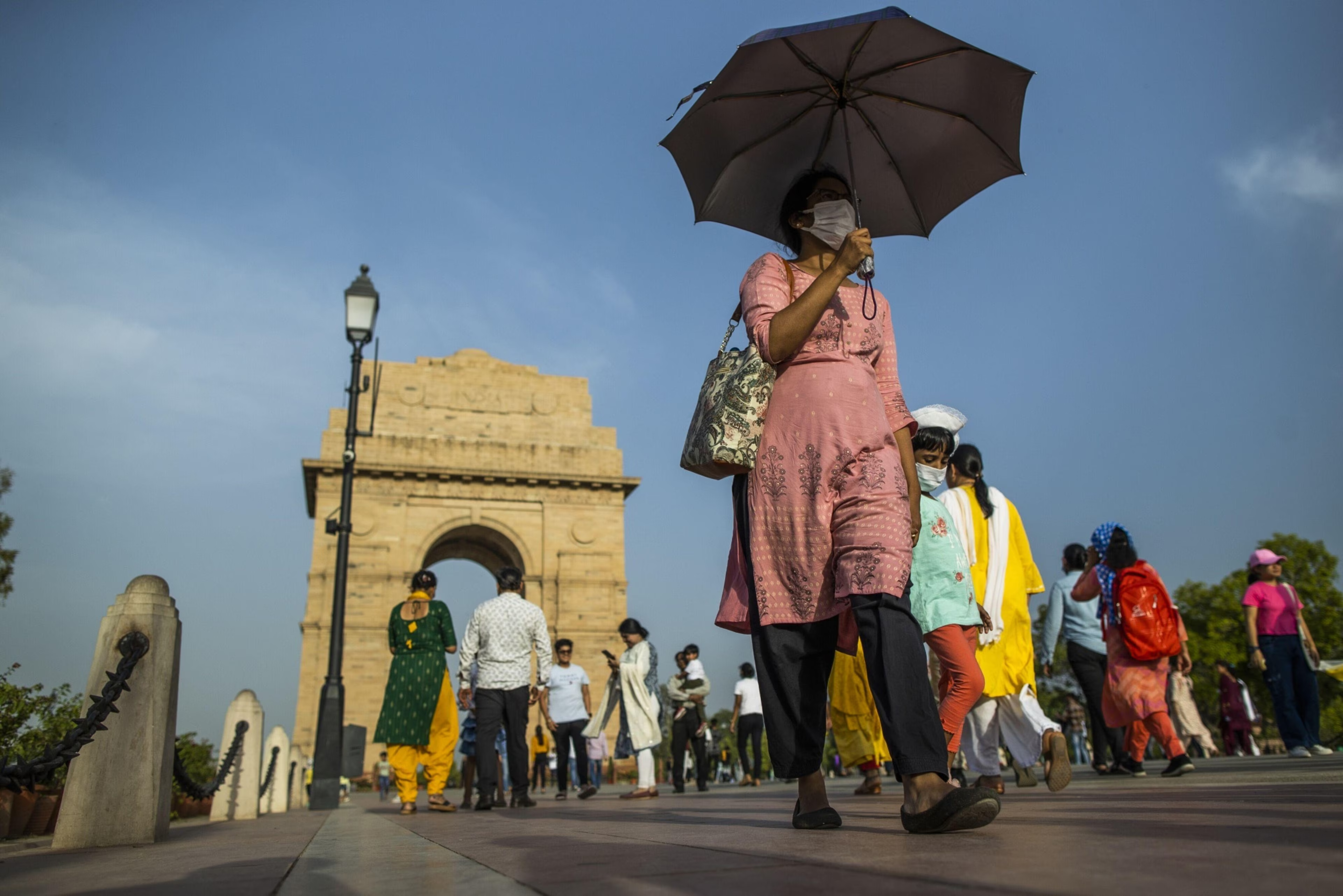
As India braces for another sweltering summer, significant concerns have arisen around the country’s ability to accurately tally heat-related deaths. Former WHO chief scientist and current Health Ministry advisor, Dr. Soumya Swaminathan, has highlighted the critical undercounting of such fatalities and the urgent requirement for enhanced monitoring, public health preparedness, and targeted policy interventions.
Record Heat Days and Rising Health Risks
In the previous summer, India recorded a staggering 536 heatwave days—marking the highest count in 14 years, according to the India Meteorological Department (IMD). The extreme temperatures resulted in 41,789 suspected heat stroke cases and 143 officially recorded heat-related deaths. Dr. Swaminathan emphasizes that the actual figures might be significantly higher, as studies suggest that only a fraction (20-30%) of heat stroke cases lead to fatalities. This underreporting creates an incomplete picture of the health crisis unfolding across the nation.
The Concept of Excess Deaths
Dr. Swaminathan explained the idea of “excess deaths,” which refers to an increase in the death rate during extreme weather events compared to normal months. This spike can serve as a crucial indicator of the health impacts of heat, further emphasizing the need to improve data collection and mortality tracking related to heat exposure.
Impacts beyond Mortality
The ramifications of heat stress extend far beyond reported deaths. The former chief scientist highlighted that for every death; numerous individuals face severe health complications such as exacerbated cardiovascular issues, heat exhaustion, and increased levels of mental health crises, including anxiety and domestic violence. The economic implications are also significant; productivity losses related to heat exposure impact families and local economies.
Coordinated Response Required
Dr. Swaminathan advocates for a multi-sectoral response to combat heat impacts effectively. Coordination across various domains—including labour, housing, and urban planning—is essential to address the needs of vulnerable populations, particularly in low-income communities lacking adequate housing conditions.
To prepare for the anticipated extreme heat, she called for vulnerability mapping of districts to identify high-risk areas. This could enable local governments and health systems to implement proactive measures, including training healthcare workers and preparing facilities for heat-related emergencies.
Simple, Effective Solutions
Dr. Swaminathan recommends implementing low-cost interventions that can mitigate the immediate impacts of high temperatures. Such measures may include establishing shaded waiting areas at traffic signals and enhancing water accessibility in workplaces and public areas. Increased awareness and community training are necessary to prepare both the population and employers for the summer challenges ahead.
-Raja Aditya


