

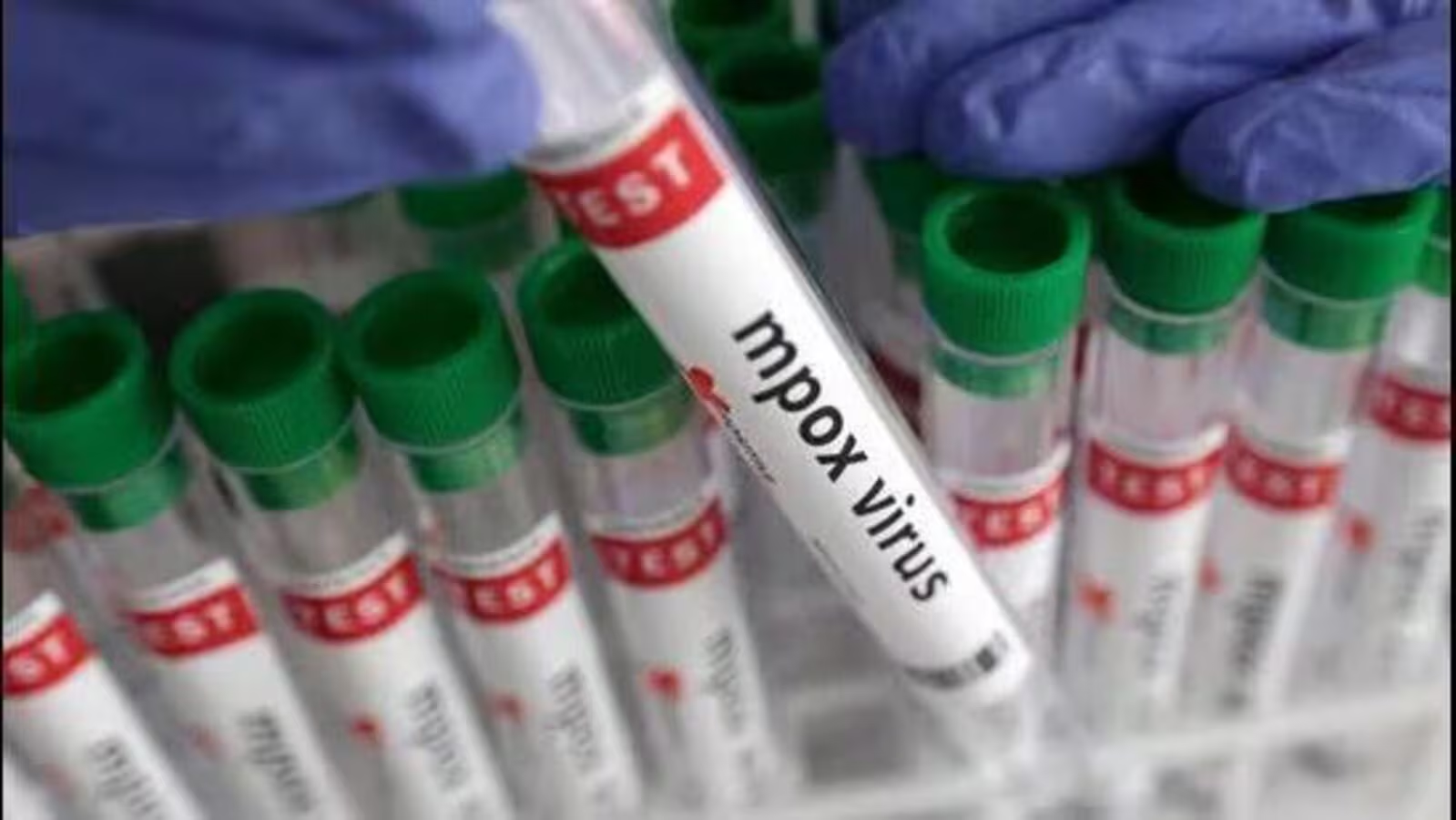
The recent confirmation of a monkeypox case in India, specifically involving a 26-year-old man from Haryana who tested positive for the West African Clade 2 strain, raises significant public health concerns.
According to sources, the patient, a resident of Hisar, Haryana, recently returned to India from abroad and is currently undergoing treatment and isolation protocols at a designated healthcare facility. The patient’s identity has not been disclosed to maintain confidentiality.
This case follows a broader trend of monkeypox outbreaks globally, which have been exacerbated by the emergence of new strains, including Clade 1b, prompting heightened alert levels from the World Health Organization (WHO). The WHO’s response underscores the need for international vigilance and cooperation in managing the spread of this zoonotic virus, which has been linked to waning immunity in populations previously vaccinated against smallpox.
Range of Symptoms
Monkeypox presents with a range of symptoms, including fever, headache, muscle aches, swollen lymph nodes, and a distinctive rash that evolves through various stages, starting from the face and spreading to other body parts. The clinical manifestations of monkeypox closely resemble those of smallpox, which raises concerns about the potential for severe outcomes, particularly in immunocompromised individuals. Given the current context, public health authorities must prioritize effective communication strategies to educate the public about symptom recognition and the importance of seeking medical attention if symptoms arise.
Preventive measures
Preventive measures are crucial in curbing the spread of monkeypox. Recommendations include maintaining good hygiene practices, such as frequent handwashing, the use of personal protective equipment (PPE) in healthcare settings, and isolating infected individuals. The smallpox vaccine, which has been shown to provide approximately 85% protection against monkeypox, remains a critical tool in prevention efforts. However, the resurgence of monkeypox is partly attributed to declining vaccination rates since the cessation of routine smallpox vaccinations, highlighting the need for renewed public health initiatives to bolster immunity in the population.
Public Health Interventions Sought
The outbreak of monkeypox and the detection of various strains necessitate robust surveillance systems and proactive public health interventions. Enhanced monitoring of potential cases, coupled with effective vaccination campaigns, can mitigate the risk of further transmission. Moreover, the role of healthcare professionals, including pharmacists, is vital in recognizing symptoms and managing cases to prevent further spread. As the situation evolves, continuous public awareness campaigns will be essential to address vaccine hesitancy and ensure community engagement in preventive measures.
The confirmed monkeypox case in India, alongside the emergence of new strains, underscores the urgent need for coordinated public health responses. By implementing comprehensive surveillance, enforcing preventive measures, and fostering public awareness, health authorities can effectively manage the risks associated with monkeypox and mitigate its potential impact on public health.
–Dr. Kanaka Durga Chandu


