

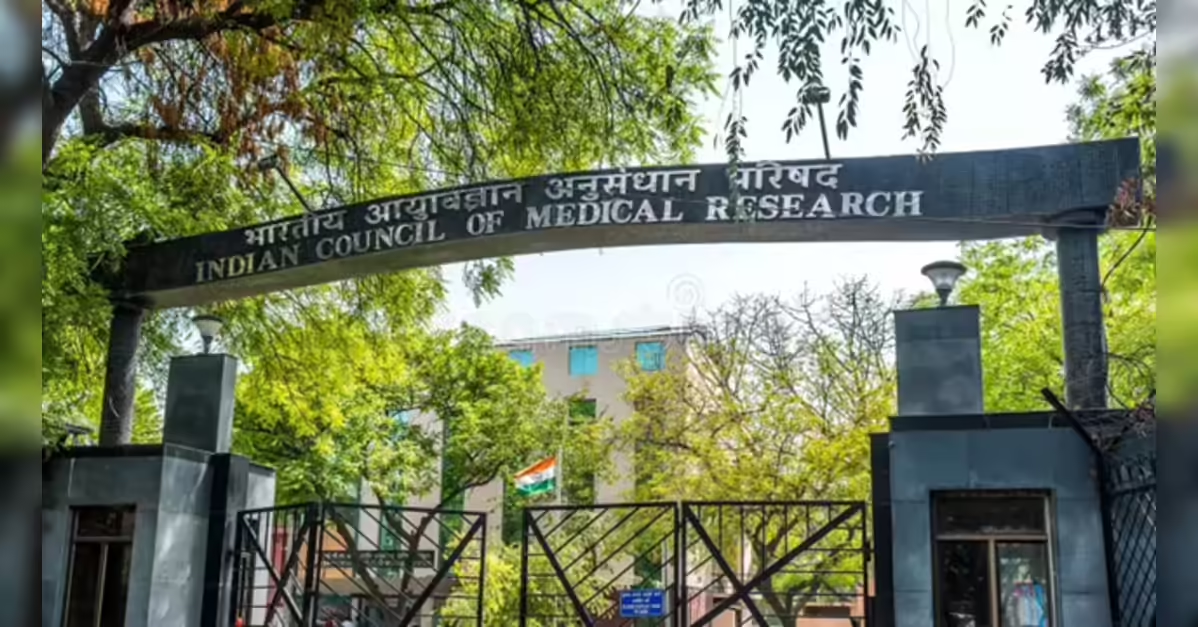
A recent study conducted by the Indian Council of Medical Research’s National Institute of Epidemiology (ICMR-NIE) in Chennai has underscored the urgent need for improved year-round surveillance of respiratory infections, particularly influenza and severe acute respiratory infections (SARI). Published in the journal “Discover Health Systems,” the research reveals that a significant percentage of deaths due to influenza occur in low and middle-income countries, with India being notably affected. The study highlights that respiratory viruses circulate throughout the year, yet monitoring efforts in Tamil Nadu are often intensified only during specific outbreaks or seasonal occurrences.
By evaluating disease surveillance systems in several districts over a period from 2023 to 2024, the research engaged more than 370 stakeholders, encompassing healthcare facilities and laboratories. It was noted that while many facilities have systems to report influenza-like illness (ILI) and SARI cases, regular sampling and testing practices are inadequate. Significant challenges were identified, including a concentration of testing facilities in larger hospitals, leaving primary and secondary care providers lacking essential resources.
The findings indicate a systemic gap in training healthcare workers in recognizing and reporting respiratory infections, with many not fully aware of the importance of ongoing influenza surveillance. The inconsistency in data entry and reporting practices has been exacerbated by limited participation from private healthcare providers, undermining the efficacy of current surveillance systems. The study consequently advocates for a transition to continuous disease monitoring, emphasizing that public health initiatives must adapt to the evolving landscape of respiratory infection risks, particularly as ecological conditions change.
Recommendations from the researchers include enhancing laboratory capacity, improving digital infrastructure for health information reporting, and establishing structured feedback mechanisms to ensure accurate data collection. They also emphasize the critical role of a ‘One Health’ approach, integrating multiple sectors and promoting data-sharing to enhance transparency and responsiveness in public health.
In conclusion, this study represents a pioneering effort in India to consolidate knowledge and improve health surveillance mechanisms, particularly in the context of respiratory infections. The insights drawn from this research aim to guide state-level policy decisions and bolster preparedness against potential outbreaks, including future pandemics, by advocating for a robust, ongoing monitoring framework that can effectively respond to emerging health threats.
-Raja Aditya


