


A Harmonious Blend of Medical Expertise & Artistic Flair
The practice of medicine, often perceived as a purely scientific endeavour, has a rich, albeit sometimes overlooked, dimension that intertwines clinical rigor with artistic and literary sensibilities. The example of Dr. A. V. Gurava Reddy, a surgeon with a prolific record of approximately 4000 joint replacements annually, yet who also engages in writing weekly columns, authoring books like Guruvayanam, and participating in radio and acting, illuminates this rare synthesis. This blend suggests a practitioner whose mind is deeply reflective and attuned to the human experience, leading to a perceived capacity for more compassionate care, enhanced patient communication, and a richer understanding of individual fears, hopes, and stories. This approach evokes the “Renaissance ideal,” a historical period where the domains of science and art were not seen as separate, but rather as complementary avenues for comprehending the world. This perspective posits that a comprehensive understanding of the human condition—encompassing its emotional, social, and ethical facets beyond the purely biomedical—is crucial for effective and humane healing.
DrGurava Reddy stands as a highly credentialed and internationally recognized figure in orthopaedic surgery. His extensive qualifications include an MBBS, DNB, M.Ch – Orthopaedics, and multiple Fellowships of the Royal College of Surgeons (FRCS) from prestigious institutions in London, Glasgow, and Edinburgh, as well as in Trauma &Orthopedic Surgery. With over 40 years of experience, he consistently ranks among the top orthopaedic surgeons in Hyderabad, India. His professional development includes a decade of experience and training in the United Kingdom, which, by his own account, profoundly influenced his approach to patient care. This global exposure instilled in him a deeper appreciation for ‘courtesy,’‘empathising,’ and ‘total holistic treatment’ that extends beyond a singular focus on an organ. This early exposure to patient-centric healthcare systems served as a foundational element in shaping his integrated practice.
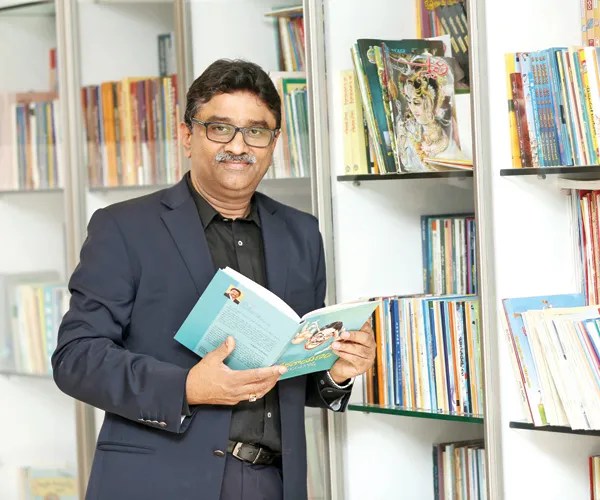
Dr. Reddy is particularly renowned for his exceptional surgical volume, performing approximately 4000 joint replacements annually. This volume positions him as one of the leading surgeons in India and the second-highest in South Asia for this specialty. He serves as the Managing Director and Chief Joint Replacement Surgeon at Sunshine Bone and Joint Institute – Sunshine Hospitals and KIMS Hospitals in Hyderabad, both prominent multispecialty facilities. His leadership extends beyond clinical practice into professional organizations, where he is a founder member and organizing secretary of the Indian Society of Hip & Knee Surgeons (ISHKS).
His commitment to advancing orthopaedic care is evident in his pioneering efforts within India. He was the first to introduce ‘Computer aided navigation for Total knee Replacements’ in Andhra Pradesh and implemented ‘rapid recovery protocols’ that enable patients to walk within 4 hours of surgery and be discharged within 48 hours. Dr. Reddy is also deeply involved in cutting-edge research, collaborating with institutions such as CCMB to identify early biomarkers for osteoarthritis and with the University of Christchurch on stem cell research for knee arthritis. Furthermore, his dedication to medical education is substantial; he serves as Chairman of the Sunshine Medical Academy of Research & Training, Program Director for Arthroplasty Fellowships, a DNB Tutor, and an Examiner for FRCS/MRCS, training numerous post-MSOrthopaedicians annually. These efforts signify a commitment to improving the broader healthcare ecosystem, extending his impact beyond individual patient treatment to benefit a wider population and future generations of patients by enhancing overall healthcare capacity and knowledge.
His significant contributions have garnered numerous prestigious awards and recognitions, including a Lifetime Achievement Award for Contribution to Healthcare, the “Top Adult Reconstructive Orthopaedic Surgeon in India” award from Leading Physician of the World, USA, a “Distinguished Doctor” award from the British International Doctors Association, and the “Paul Harris Fellow” by Rotary International.
Despite his profound commitment to patient care, the exceptionally high surgical volume, estimated at approximately 11 surgeries per day, combined with reported 14-hour workdays, presents a demanding professional schedule. This intensity raises a pertinent consideration regarding the practical feasibility of consistently delivering the individualized “time” and “touch” that are often considered hallmarks of truly humane and holistic patient care. While his efficiency ensures broader access to specialized treatment, the sheer quantity of procedures inherently limits the duration of direct, in-depth interaction possible with each patient. This quantitative constraint can create a tension with the qualitative aspects of personalized engagement, posing a challenge to the consistent delivery of highly individualized care.
Humane & Holistic Patient Care
To rigorously assess Dr.GuravaReddy’s practice, it is essential to establish clear definitions for “humane” and “holistic” patient care. In a medical context, “humane” care signifies qualities of compassion, kindness, gentleness, and mercy in the treatment of individuals. It extends beyond merely providing medical treatment to actively minimizing fear, pain, stress, and suffering through sensitive handling, clean facilities, and an environment conducive to well-being. This approach implies an ethical and considerate stance that respects the patient’s dignity and vulnerability, aiming to alleviate suffering in its broadest sense.

Holistic health care, on the other hand, is fundamentally about caring for the “whole person.” This comprehensive approach acknowledges that an individual’s overall health is intricately linked to their physical, mental, spiritual, and social needs. It operates on the understanding that an imbalance or unwellness in one aspect can profoundly affect others. Therefore, holistic care goes beyond merely treating a specific ailment or symptom; it involves understanding the patient’s life context, their fears, hopes, and personal stories, and tailoring treatment to address these interconnected dimensions of their well-being.
These two concepts, humane and holistic care, are deeply intertwined. Compassion and empathy, core components of humane treatment, are essential for truly understanding and addressing the “whole person” within a holistic framework. In modern medicine, with its increasing reliance on technology and specialization, the emphasis on these humanistic aspects is becoming even more critical. As Artificial Intelligence (AI) continues to assume a central role in healthcare, potentially handling much of the technical expertise, the importance of “humane values and human skills” will only intensify. Physicians who embody these qualities will be particularly vital, positioning an integrated approach like Dr.GuravaReddy’s as highly relevant for the future of healthcare. The definitions of humane and holistic care, with their emphasis on compassion, empathy, understanding the patient’s full context, and addressing non-physical needs, underscore the profound importance of the “art” of medicine. This humanistic dimension becomes increasingly vital in an era of advancing medical technology, where the unique human skills of empathy, communication, and holistic understanding remain paramount.
Influence of Arts & Humanities
The integration of arts and humanities, particularly writing, into a physician’s life is not merely a personal enrichment but a powerful catalyst for enhancing clinical abilities and fostering a more profound approach to patient care. This engagement cultivates critical attributes that are increasingly recognized as indispensable for modern medical practice.One of the most significant benefits lies in the cultivation of empathy and communication skills. Engagement in arts and humanities activities directly supports skill-building in crucial areas such as communication, critical thinking, and empathy for medical learners and professionals.

Dr.GuravaReddy’s engagement with literature and writing is a significant facet of his multidimensionality. He authored ‘Guruvayanam’, ‘MaroGuruvayanam’ – the books described as a collection of his “musings on life” and “memories,” presented in a “humorous” and “light-hearted manner”. The nature of this work suggests a deeply reflective mind, attuned to the intricacies of the human experience beyond purely medical parameters. His consistent engagement as a columnist, writing weekly columns, and his role on the Editorial Advisory Board for Family Health Guide further indicate a sustained commitment to written communication and public health discourse. These activities provide unique avenues for cultivating empathy and refining communication skills. Writing, particularly personal reflections, inherently demands a deep understanding of human narratives, emotions, and diverse perspectives, directly enhancing the qualities essential for compassionate and comprehensive patient care.His writing skills directly enhance his medical practice by helping him “pay more attention to patients’ stories and ask more questions, which can lead to better diagnoses”. He has actively developed medical humanities curricula to preserve doctors’ innate empathy and sensitivity, integrating it throughout medical school programs.
Beyond writing, Dr. Reddy actively engages in various forms of creative expression and public outreach. He has served as a Radio Jockey for shows such as “Dr.Gurava Reddy tokaburlu” on Radio Tharanga and “Life of an Entrepreneur” on Telugu One Radio. He also ventured into acting, appearing in the comical teleserial “Amrutham”. His active presence on YouTube, with over 91.2K subscribers, serves as a dynamic platform where he communicates health advice, interviews notable public figures (such as director S.S. Rajamouli and Olympian P.V. Sindhu), and shares personal interests. This diverse engagement showcases his comfort with various communication mediums and a clear desire to connect with a broad audience, demystifying medical concepts and fostering public understanding. His participation in public events, such as ramp-walking for a cause and a viral dance performance, further highlights his dynamic and approachable public persona. Radio hosting and acting require understanding and connecting with varied audiences, effectively serving as ongoing training grounds for compassionate and effective interpersonal communication.
Dr. Reddy’s proactive use of popular media platforms like radio and YouTube to share health information, discuss life philosophies, and even engage in lighthearted personal content significantly enhances his accessibility and relatability to the general public. This public engagement serves to demystify medical concepts, build trust, and foster a more open dialogue about health outside the traditional clinical setting. By making himself approachable and his knowledge shareable, he bridges the conventional doctor-patient divide, contributing to a more considerate and comprehensive relationship with the broader community, which can lead to improved health literacy and proactive health-seeking behaviours.
Compassion, Communication& Trust
Dr. Reddy explicitly articulates a patient-centered philosophy that strongly aligns with humane care principles. He emphasizes the “4Ts” as essential qualities for doctors today: “trust, time, touch, and talk”. This framework directly addresses the core components of compassionate and communicative care. His profound commitment to consistent quality is underscored by his statement, “The day I will not be able to give my 8 pm patient the same smile I gave my 8 am patient, I am finished as a doctor and I will retire”. This highlights his dedication to maintaining a high standard of empathetic engagement throughout his demanding workdays.

Evidence from patient feedback presents a mixed, yet predominantly positive, picture regarding the humane aspects of Dr. Reddy’s care. Several patients refer to him as “a god” , reflecting profound gratitude for successful surgical outcomes and the restoration of their quality of life. Furthermore, feedback on his use of robotic surgery notes its contribution to “minimal tissue injury and minimal blood loss with advanced precision accuracy,” leading to “comfort recovery as well as less pain area recovery”. This technological aspect directly contributes to minimizing patient suffering, a key tenet of humane care, demonstrating that compassionate care is not solely about interpersonal warmth but also about leveraging scientific advancements to improve patient outcomes and reduce distress.
Beyond the Ailment to the Person
Dr. Reddy’s primary contribution to holistic care begins with his exceptional surgical expertise and high volume of joint replacements. By restoring mobility and alleviating severe physical pain, he directly addresses a fundamental aspect of a patient’s physical well-being. His adoption of advanced techniques like robotic surgery and rapid recovery protocols further enhances physical outcomes, ensuring quicker recovery and reduced discomfort, which are vital for a patient’s overall quality of life.
Perhaps the most compelling demonstration of Dr. Reddy’s commitment to holistic care on a broader scale is his humanitarian work. He established the Sarvejana Foundation, a not-for-profit organization dedicated to enhancing the lives of those “at the bottom of the healthcare pyramid”. Through its “HappyKnees” program, the foundation provides free knee and hip replacement surgeries to disadvantaged women and underprivileged individuals, directly addressing significant social and economic barriers to essential healthcare. The “SHARE” initiative focuses on training and mentoring young surgeons, aiming to improve healthcare accessibility across India by building medical capacity. Additionally, the “STOP” initiative is committed to reducing road accidents through awareness and preventive care, demonstrating a proactive public health focus beyond orthopedic surgery. These initiatives collectively showcase a profound commitment to societal well-being, restoring dignity, and fostering a more equitable world, directly addressing the “social” aspect of holistic care.
Dr. Reddy’s practice exemplifies holistic care across a comprehensive spectrum. It begins with exceptional physical treatment through advanced surgical techniques. It extends to addressing mental and emotional well-being through his stated communication philosophy and his public discussions on life and relationships. Most significantly, his commitment culminates in profound societal and community well-being through the Sarvejana Foundation’s initiatives. This demonstrates a comprehensive understanding and active engagement with the “whole person” and the “whole community,” moving beyond reactive treatment to proactive health promotion and equity.
Furthermore, Dr. Reddy’s personal discipline and lifestyle also reflect a holistic understanding of well-being. His rigorous routine, including daily tennis and a healthy, low-carbohydrate diet, coupled with his ability to maintain this despite a demanding schedule, suggests a personal embodiment of holistic health principles. His belief that money is an “automatic byproduct of success” and should not be the primary goal in medical practice reinforces a patient-first, ethical approach that prioritizes healing over financial gain. His engagement in public health discussions through various media platforms and his foundation’s preventive initiatives represent a proactive, rather than merely reactive, approach to holistic health. This commitment goes beyond treating existing illnesses to actively fostering overall well-being and preventing future health issues within the broader population, showcasing a comprehensive vision for public health that is integral to true holistic care.
His consistent emphasis on narrative as a core medical tool demonstrates that it is not just a byproduct of his medical life but an active, cognitive framework he employs to understand and engage with illness. This makes narrative a core medical tool for humanistic care. His work and philosophy expand the definition of medical “expertise” beyond purely scientific knowledge and technical skill. It includes a profound capacity for humanistic understanding, critical reflection, and empathetic communication. This challenges the traditional, often reductionist, biomedical definition of a competent physician, advocating for a more comprehensive and integrated model of medical mastery.
Renaissance Ideal in Contemporary Healthcare
Dr.Gurava Reddy unequivocally embodies a rare and compelling blend of clinical mastery and profound artistic and literary sensibilities. His prolific surgical career, coupled with his extensive engagements in writing, radio, and acting, indeed positions him as a modern embodiment of the Renaissance ideal, where the domains of science and art are not separate but complementary ways of understanding and interacting with the world.
Ultimately, Dr. Reddy’s multidimensionality translates into a richer understanding of the human experience not only within the confines of the clinic but also through his extensive public education initiatives and his unwavering commitment to addressing societal health disparities. He serves as a compelling model for future medical professionals, demonstrating how deeply ingrained humanistic values and diverse creative engagement can seamlessly complement scientific rigor and technological advancement to deliver more comprehensive, compassionate, and impactful healthcare in an evolving global landscape. His integrated approach suggests that true healing extends beyond merely treating the ailment to nurturing the person and contributing to the well-being of the broader community, embodying a truly modern interpretation of the Renaissance ideal in medicine.
–Naresh Nunna


